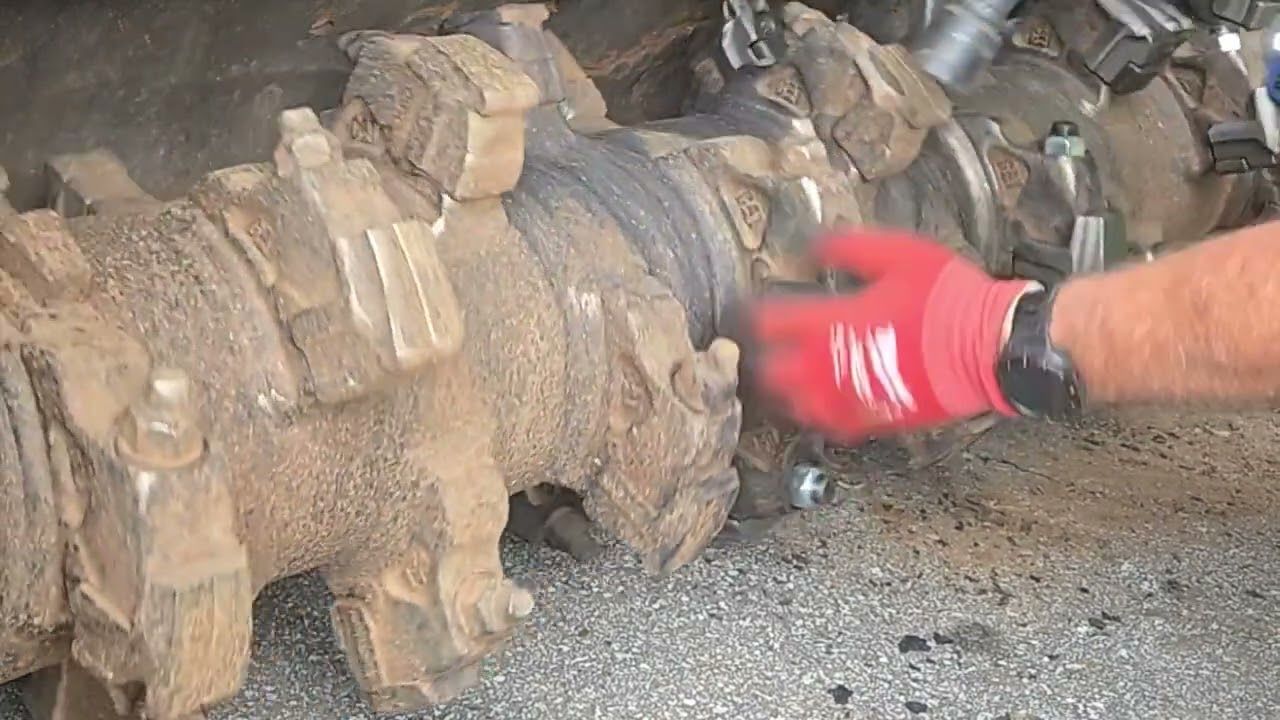
Mulcher teeth are small parts with a big job. They can work around the constant impact and pass through grass, bushes, small trees, and sometimes even difficult-to-find obstructions. This is a continuous process; over time, wear and tear will occur, and performance will gradually decrease. But when is mulcher teeth replacement crucial? Delays can impact cutting performance and increase the load on the machine. In many working setups, equipment from JYF Machinery is used with different tooth types, but even durable parts eventually show clear signs that replacement is needed.
Slower Cutting Performance
One of the first signs is reduced cutting speed. The machine may need more time to clear the same area it once handled quickly. This happens because worn teeth lose their sharp contact with vegetation. Instead of cutting cleanly, they start pushing material, which slows down the entire process.
Uneven Material Output
Healthy teeth produce a consistent mulch or chopped material. When teeth wear unevenly, the output becomes inconsistent in size and texture. Some sections may look finely cut while others appear rough. This imbalance shows that the cutting edges are no longer working at the same level.
Cracks and Surface Damage
Cracks or chips are more serious indications of wear. They usually occur after rocks, hard soil, or buried debris are encountered. Even small cracks can grow under pressure during operation. In field conditions where JYF Machinery equipment is used regularly, damaged teeth are usually replaced early to avoid further stress on the rotor system.
Excessive Vibration
Vibration is another warning sign. It often appears when teeth wear unevenly or when some teeth are damaged while others are still intact. This imbalance affects the smooth rotation of the rotor. It can also cause wear on other parts of the machine if left unaddressed.
Loud or Unusual Noise
Changes in sound during operation can indicate tooth problems. Worn or broken teeth often create irregular impact sounds. Instead of a steady cutting noise, the machine may produce sharp or uneven sounds. This usually means the cutting pattern is no longer balanced.
Uneven Wear Across Teeth
Not all teeth wear at the same rate. Position on the rotor and working conditions can cause differences in wear patterns. When some teeth wear more than others, it will result in uneven cutting. This is an indication that it may be needed to replace the entire set rather than some parts of it.
Poor Ground Finish
The ground should be evenly processed after mulching. If teeth are worn, the finish is uneven and scuffed. Some areas may remain rough or less broken down. This indicates that the teeth are no longer processing material effectively across the machine’s full width.
Difficulty in Dense Material
Worn teeth struggle more in thick brush or woody areas. The machine may need multiple passes to clear what once required a single pass. This reduced efficiency is a clear sign that the cutting edges are no longer effective in demanding conditions.
Heat Build-Up During Work
When teeth are dull, the machine often runs longer to complete the same job. This increases friction and leads to more heat generation. Higher heat levels can also affect surrounding components. In long-term field use, systems paired with JYF Machinery are monitored closely to prevent overheating caused by worn cutting parts.
Irregular Cutting Path
Healthy teeth maintain a steady and even cutting path. When wear increases, the machine may leave uneven strips of uncut material. This happens because some teeth cut less effectively than others. The result is a less uniform working pattern across the field.
Delayed Material Breakdown
Fresh teeth break down vegetation quickly into small pieces. Worn teeth take longer to achieve the same result. This delay increases working time and reduces overall productivity. It is one of the most practical signs that replacement is needed.
Surface Glazing or Polishing
In some cases, worn teeth develop a smooth, shiny surface instead of a sharp edge. This is known as glazing. Glazed teeth slide over material instead of cutting it. This reduces efficiency and increases strain on the machine.
Conclusion
Mulcher teeth gradually wear out, but if observed, it is apparent. The slower cutting speed, reduced production uniformity, vibration, and even visible damage indicate that it is time to replace it. Teeth replacement at the proper time makes for a stable machine and avoids undue strain. In many industrial settings, machinery from JYF Machinery relies on timely maintenance to ensure consistent operation and reduce the risk of on-site problems.