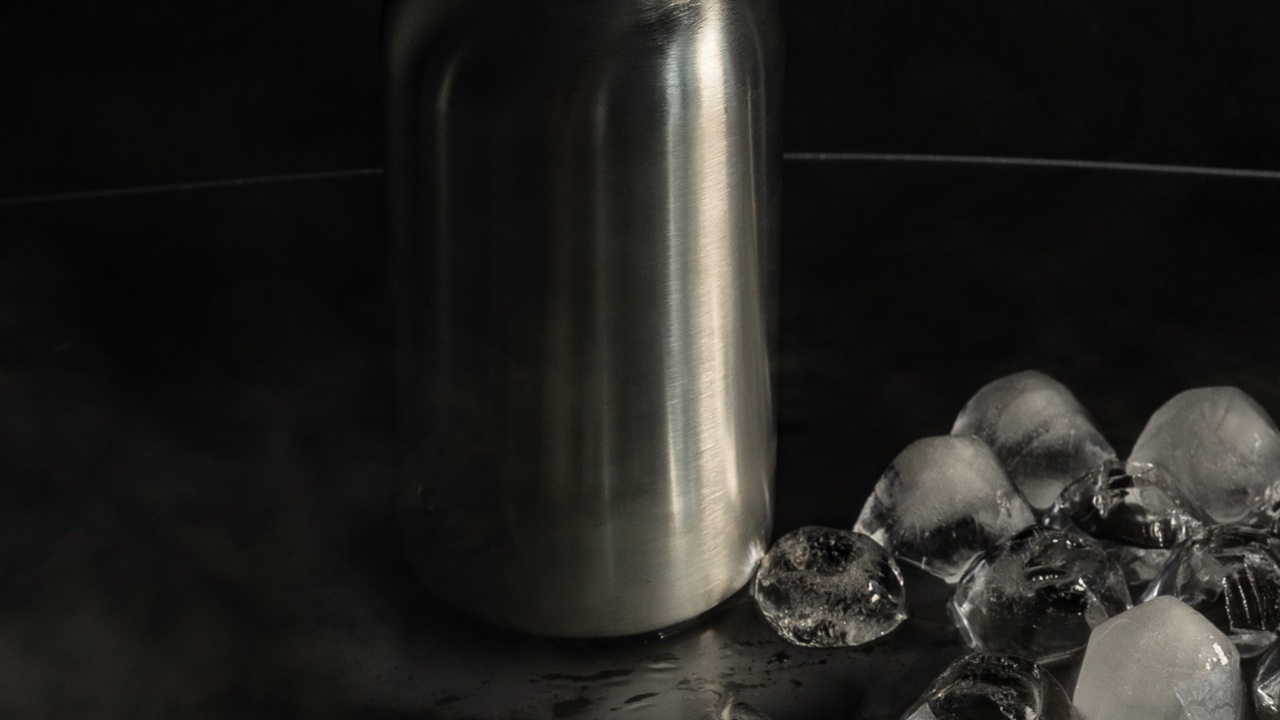
Walk through the drinkware section of any outdoor retailer and you’ll find thirty different brands selling what is, functionally, the same product. Double-wall vacuum insulation in 18/8 stainless steel, a threaded lid, a capacity between 16 and 40 ounces, a claim of 12-24 hours cold retention. The underlying technology is identical. The price difference between a $15 bottle and an $85 bottle has very little to do with what the bottle does and almost everything to do with what it looks like, who makes it, and how it’s presented.
That’s not a criticism of premium brands — it’s a description of how the category actually works. And it has real implications for anyone thinking about building a product or a brand in this space.
The Technology Plateau
Vacuum insulation in stainless steel is a mature technology. The fundamental engineering — evacuating the air between two stainless steel walls to eliminate convective heat transfer — was solved decades ago. The performance ceiling is well established. A well-manufactured double-wall vacuum bottle from a Chinese factory that costs $8 to produce performs comparably to a $45 retail bottle on the performance metrics that matter: how long it keeps things cold, whether it sweats, whether it leaks.
The differences that remain at the manufacturing level are real but small. Lid engineering varies — some lids seal more effectively, some are easier to clean, some are genuinely more durable. Stainless steel grades differ at the margin, with 316 offering slightly better corrosion resistance in some conditions compared to the more common 304. Powder coat durability and chip resistance vary between suppliers.
But none of these differences explain a 5x or 10x price spread between functional equivalents. That spread exists because consumers aren’t primarily buying performance — they’re buying a version of themselves.
What the Premium Is Actually Buying
The brands that command $60-$80 for an insulated bottle have figured out something important: their customers are buying into a self-image, a community, or an aesthetic. The bottle is a signal. It signals that you’re the kind of person who goes to the gym before work, or hikes on weekends, or cares about sustainability, or has good taste in functional objects.
None of those signals come from the vacuum insulation. They come from the color, the finish, the logo, the silhouette, the accessories, the packaging, and the context in which the brand presents the product. A bottle in a distinctive colorway with a recognizable shape and a brand that shows up in the right places can charge $75. The same underlying product with a generic appearance can’t charge $25.
This is why customization — real customization, not just printing a logo on a stock item — is the actual product for brands in this category. The decisions about color palette, lid design, texture, finish, and silhouette are the decisions that determine whether a brand can occupy premium shelf space or is competing on price. Getting those decisions right requires working with a manufacturer that can execute them.
The Customization Conversation Most Brands Have Too Late
A common mistake when entering the drinkware category is treating manufacturing as a commodity decision — find the lowest price per unit that meets a quality threshold, print your logo, ship it. This approach produces a product that looks like every other private-label bottle on the market, which means competing on price against brands that are better positioned for that competition.
The brands that find room in the market are usually the ones that started the customization conversation earlier. They worked with a manufacturer to develop a lid design that’s unique to their line. They specified a color palette that’s distinctive and consistent across their SKUs. They chose a surface finish — matte powder coat, textured grip section, brushed stainless — that gives the product a tactile identity. These decisions can’t be made after the fact; they have to be built into the manufacturing process from the beginning.
The constraint is finding a stainless steel water bottle factory with enough design and engineering capability to actually execute on these choices. Stock-item suppliers can print your logo and change the color. Genuine OEM/ODM manufacturers can work with your design team to develop a lid mechanism, refine a silhouette, or create a surface treatment that doesn’t exist in any catalog. The difference between these two types of suppliers is what determines whether a brand can differentiate meaningfully or is stuck competing on price.
The Implication for Brand Strategy
If you’re entering the insulated bottle category, the core question isn’t “how do I find the best bottle at the lowest price?” It’s “what is the visual and tactile identity of this product, and what manufacturer can build it?”
The answer to the second question drives the answer to the first. A manufacturer with genuine customization capability will cost more per unit than a stock-item supplier. That cost difference is usually justified if the resulting product can command a price that reflects the brand investment — and it usually can, because the category has demonstrated clearly that consumers will pay significant premiums for products that look right, not just work right.
The brands that have figured this out treat manufacturing as a creative partnership rather than a procurement decision. The bottle they sell is inseparable from the visual choices they made about what it looks like, and those choices were made in collaboration with the people making it.